SLEEPMEDIK are your trusted specialists in sleep health.
We are committed to diagnosing, managing, and treating a variety of sleep conditions to help you achieve restful sleep. With expert care and advanced technology, we’re here to support your journey towards improved sleep health.
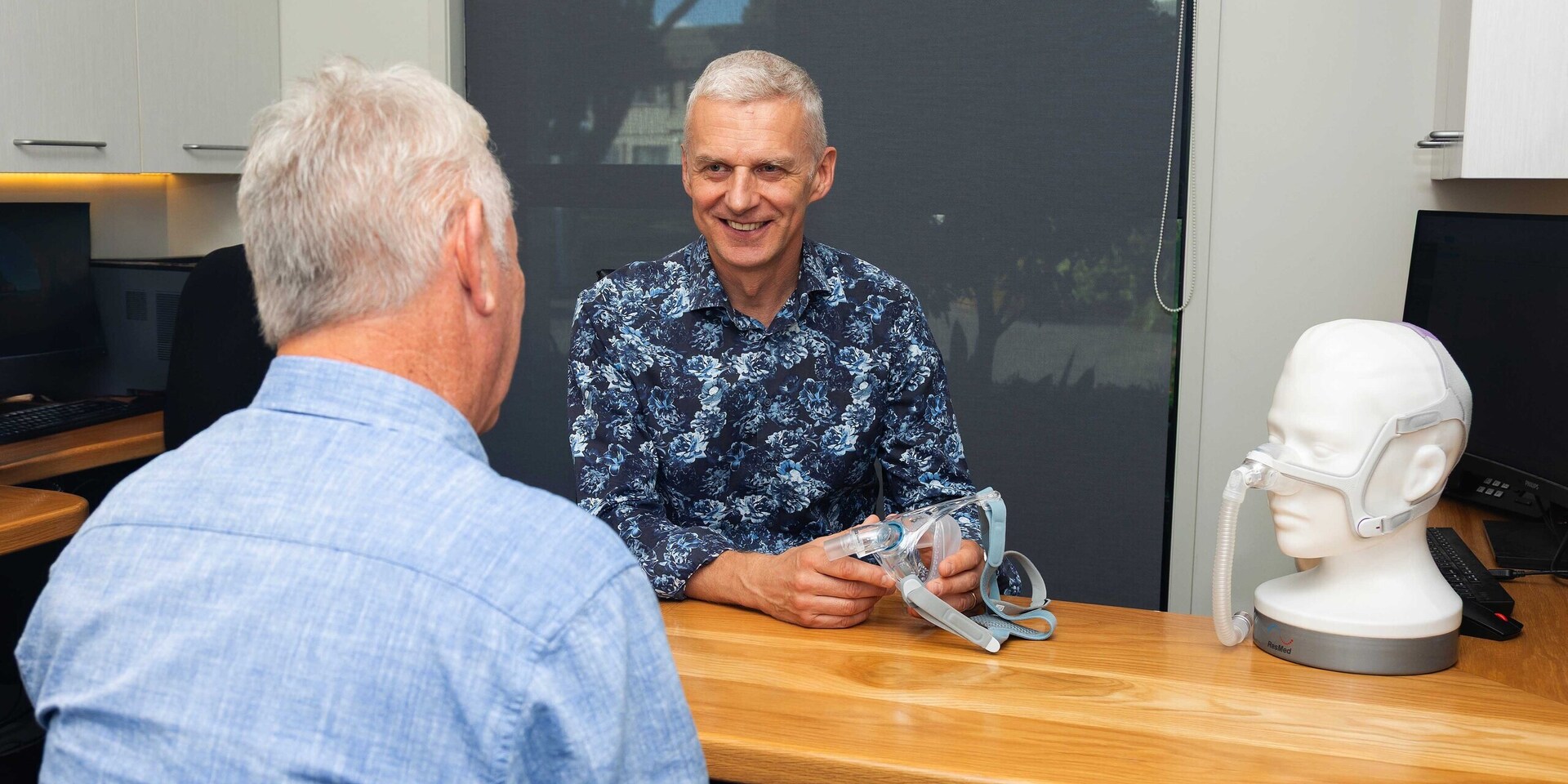
Consultancy
Expert support for public health services and corporations employing people in safety-critical jobs.
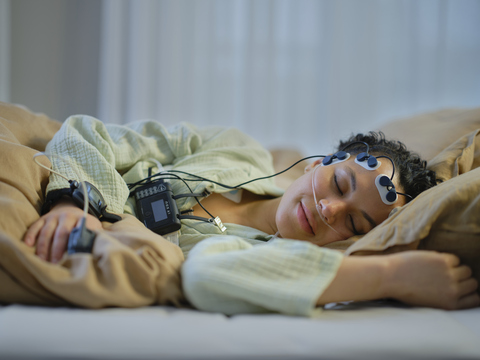
Sleep Tests
Find out more about our comprehensive sleep assessments to diagnose your sleep disorders.
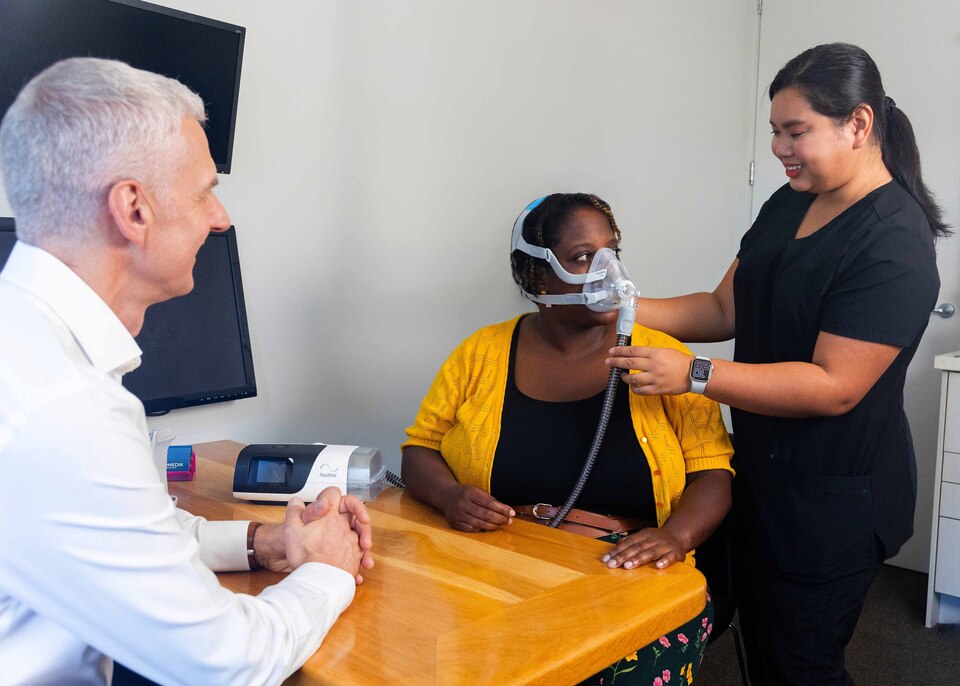
Treatment
Personalised therapies to improve sleep quality and restore your energy and wellbeing
Advanced Sleep Therapy Solutions
We provide cutting-edge treatment solutions for sleep-related conditions:
Sleep Studies & Diagnostic Testing
To accurately assess and diagnose sleep disorders, we offer a range of sleep studies, including:
Each level of study is chosen based on the patient's condition, risk factors, and available resources.
Specialist Sleep Medicine Support for Safety-Critical Workplaces
Dr Patryk Szulakowski provides expert clinical assessment and management of sleep disordered breathing, with a focus on individuals employed in safety-sensitive roles, such as professional drivers, heavy machinery operators and pilots.
Dr Szulakowski collaborates with employers and operational teams by:
- Assessing employees identified as at risk for sleep disorders through appropriate clinical pathways
- Diagnosing and managing conditions such as obstructive sleep apnoea that may impair alertness and performance
- Educating staff on the impact of sleep disorders, fatigue, sleep deprivation, and shift work, particularly in high-risk operational environments
With nearly two decades of experience in sleep medicine, Dr Szulakowski works closely with companies and occupational health professionals to ensure affected staff receive accurate diagnoses and effective, evidence-based treatment. Trusted clinical expertise in sleep – supporting employee health and enhancing public safety through better-managed fatigue risks.
Public & Corporate Consultation Services
Sleep medicine consultant supporting services across New Zealand
Dr Szulakowski is an experienced sleep physician with a proven track record of strengthening and transforming sleep services both in the UK and across New Zealand. He established a sleep service at East and North Hertfordshire NHS Trust, and upon moving to the Bay of Plenty, he led a successful overhaul of a severely backlogged sleep service, where patients previously faced up to a two-year wait.
He introduced modern, efficient diagnostic pathways, prioritisation tools for suspected sleep apnoea, and a structured electronic assessment framework that streamlined clinic evaluations, improved turnaround times, and enabled service performance tracking.
Over the past several years, Dr Szulakowski has also provided expert cover for Sleep Services in Hawke’s Bay, Otago, Southland, and Wellington – delivering face-to-face, telephone and virtual consultations, reporting sleep studies, and helping reduce clinical backlogs. His collaborative, hands-on approach ensures high-quality care and continuity for patients and teams alike.
If your service requires dependable, experienced support – Dr Szulakowski offers precisely that.
Understanding Sleep Disorders
Snoring
Snoring is a widespread condition affecting a large portion of the population. While often dismissed as a harmless or simply noisy habit, it can be a sign of something more serious. Studies suggest that around 30 - 40% of adults experience some degree of snoring. In many cases, it disrupts both the snorer’s sleep and that of their partner, leading to fatigue, poor concentration, and reduced daytime performance. More importantly, snoring can be a symptom of underlying conditions such as obstructive sleep apnoea.


Excessive daytime sleepiness (EDS)
Excessive Daytime Sleepiness refers to a persistent feeling of drowsiness or an uncontrollable urge to fall asleep during the day – despite getting what appears to be adequate rest at night. In the general population, it’s estimated that around 15% of adults experience frequent daytime fatigue. This often signals an underlying sleep disorder such as obstructive sleep apnoea, insomnia, or restless legs syndrome. Left unaddressed, EDS can interfere with concentration, productivity, mood, and even increase the risk of accidents at work or while driving.
Obstructive Sleep Apnoea (OSA)
Sleep apnoea is a condition where a person’s breathing repeatedly stops and starts during sleep due to the airway becoming temporarily blocked. This happens when the muscles in the throat relax too much, obstructing airflow. These interruptions can occur multiple times throughout the night, often without the person being aware. Each time this occurs, the body briefly wakes up to restore breathing, which disrupts deep, restorative sleep. As a result, individuals with sleep apnoea often feel excessively tired during the day, even if they spend many hours in bed.
Fortunately, there are effective treatments available. Non-surgical options include CPAP therapy, where a machine delivers gentle air pressure to keep the airway open, and mandibular advancement splints, which are custom-made devices worn in the mouth to move the jaw forward and maintain a clear airway. In some cases, surgery may be considered to address the obstruction if other treatments are unsuccessful. These interventions help improve night time breathing, allowing for better sleep quality and increased energy during the day.


Central Sleep Apnoea (CSA)
Central Sleep Apnoea occurs when the brain temporarily fails to send the necessary signals to the breathing muscles during sleep. Normally, this communication ensures a steady breathing rhythm, even at rest. In CSA, the absence of these signals leads to pauses in breathing, which can trigger brief awakenings as the body attempts to resume normal respiration. This disruption often affects sleep quality and may contribute to daytime fatigue.
Insomnia
Insomnia is a condition where an individual has difficulty sleeping despite having the desire and opportunity to sleep. It may involve trouble falling asleep, waking frequently during the night with difficulty returning to sleep, or waking up very early and feeling unrested. Poor sleep can lead to daytime fatigue, irritability, and difficulty concentrating. Insomnia can be triggered by stress, anxiety, depression, other medical conditions, excessive caffeine/alcohol intake, poor sleep habits, medications, or may occur without an obvious cause.
We specialise in identifying the underlying factors contributing to insomnia and providing tailored strategies to improve sleep quality - like finding the right key to unlock good sleep!


Circadian Disorders
Circadian rhythm disorders occur when the body’s internal clock - the mechanism in the brain that regulates sleep and wakefulness - becomes disrupted, leading to a misalignment between the body’s natural sleep-wake cycle and the external environment. This mismatch is akin to experiencing different time zones in your brain compared to the world around you. Common examples include:
- Delayed Sleep Phase Disorder: In this condition, individuals feel naturally sleepy late at night – often past midnight – and struggle to wake up early, usually sleeping well into the morning or afternoon.
- Advanced Sleep Phase Disorder: This is the opposite, where individuals become excessively sleepy early in the evening and tend to wake up very early in the morning.
- Jet Lag: This occurs when travel across time zones disrupts the body’s internal clock, causing feelings of sleepiness or alertness at inappropriate times.
- Shift Work Disorder:People with irregular or night shift work may experience difficulties due to a misalignment between their body’s need for rest and their work schedule.
We offer strategies such as light therapy, adjustments to daily routines, and other interventions to help realign your body clock and improve sleep quality.
Narcolepsy
Narcolepsy is a neurological condition that affects the brain's ability to regulate sleep and wake cycles. Individuals with narcolepsy may experience sudden and overwhelming episodes of daytime sleepiness, even after having sufficient sleep at night. These episodes can lead to unexpected sleep attacks, such as falling asleep during conversations or while eating.
Another characteristic feature of narcolepsy is cataplexy, a temporary loss of muscle control triggered by strong emotions like laughter or surprise. It’s important to understand that narcolepsy isn’t something that can be resolved by simply getting more sleep. It is a medical condition that requires appropriate treatment and management. With the right support, individuals can effectively manage their symptoms and continue to enjoy their daily activities, including school, work, and hobbies.


Hypersomnia
Hypersomnia is a medical condition characterized by excessive daytime sleepiness, even after long periods of night time sleep. Unlike ordinary fatigue caused by insufficient or poor-quality sleep, hypersomnia is a distinct disorder that can significantly impact daily life. For example, a person might sleep 10 to 12 hours at night but still wake up feeling unrefreshed and too tired to concentrate at work or school, or to engage in activities they enjoy. In some cases, individuals with hypersomnia may experience sudden, uncontrollable urges to sleep during the day, despite their efforts to remain awake and alert.
Restless Legs Syndrome
Restless legs syndrome (RLS) is a condition that causes an irresistible urge to move the legs, particularly during periods of rest or sleep. While not typically painful, it often produces uncomfortable sensations such as tingling, itching, or a crawling feeling within the legs. Moving the legs – through stretching, shaking, or walking – can provide temporary relief, but the symptoms frequently return. This can disrupt sleep, leading to daytime fatigue. Effective management of RLS may include lifestyle and dietary adjustments, and, in some cases, iron supplements or other medications to alleviate symptoms.


Parasomnias
including Sleepwalking, Night Terrors and REM Sleep Behaviour Disorder
Parasomnias are unusual behaviours or experiences that occur during sleep. While they may appear unusual or alarming, they are typically not harmful, though not always. Below are examples of common parasomnias:
- Sleepwalking: This occurs when an individual gets out of bed and walks around while still asleep. They may appear awake but are not fully conscious and typically have no memory of the event the next day.
- Night Terrors: These episodes involve sudden expressions of fear, such as screaming or intense agitation, during sleep. Unlike nightmares, individuals experiencing night terrors do not fully awaken and often have no recollection of the event.
- REM Sleep Behaviour Disorder (RBD): Normally, the body remains still during REM sleep to prevent movement during dreaming. In RBD, this mechanism is impaired, allowing individuals to physically act out their dreams, such as kicking, punching, or speaking, while still asleep.
Hypoventilation Syndromes
Hypoventilation syndromes occur when breathing is too shallow or infrequent, leading to insufficient oxygen intake and an accumulation of carbon dioxide in the blood. This condition is often associated with weakened respiratory muscles or other underlying issues that impair proper breathing, particularly during sleep.
Similar to central sleep apnea, hypoventilation syndromes can result in excessive daytime sleepiness and fatigue due to inadequate oxygen levels during rest.
Treatment may involve the use of devices such as CPAP or BiPAP, which deliver positive air pressure to support breathing during sleep, helping improve both oxygenation and sleep quality.


Obesity Hypoventilation Syndrome (OHS)
Obesity Hypoventilation Syndrome (OHS) is a condition that affects individuals with significant excess weight, making it difficult for them to breathe effectively, particularly during sleep. Here is a straightforward explanation of the condition:
- Excess Weight: The additional weight around the chest and abdomen limits the ability of the lungs to expand fully, reducing their capacity to function properly.
- Imbalanced Gases: This reduced lung function leads to insufficient oxygen intake and the retention of excessive carbon dioxide, which is normally exhaled.
- Daytime Fatigue: As a result, individuals with OHS often feel excessively tired during the day, even after a full night's sleep, due to inadequate oxygen levels during rest.
Treatment for OHS focuses on weight loss to alleviate the strain on the lungs. Additionally, medical devices such as CPAP (Continuous Positive Airway Pressure) or BiPAP (Bilevel Positive Airway Pressure) are often used during sleep. These machines deliver airflow to support breathing and improve oxygen levels.
Book Your Consultation
Ready to sleep better? Contact us today to schedule an appointment