About SLEEPMEDIK Tauranga

SLEEPMEDIK is based in Tauranga, New Zealand, and led by Dr Patryk Szulakowski, a highly experienced Sleep Physician with international training and over two decades of expertise in sleep medicine.

SLEEPMEDIK is dedicated to delivering compassionate, evidence-based care to help patients improve their sleep and overall wellbeing.

On this page, you can learn more about Dr Szulakowski, our approach to sleep health, and find answers to frequently asked questions.
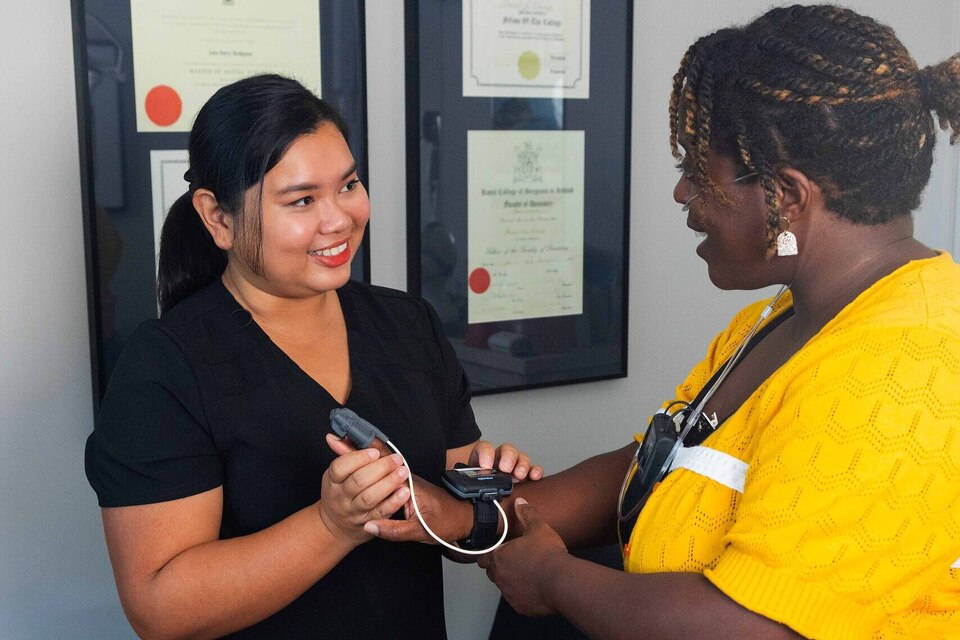
SLEEPMEDIK staff explaining a device
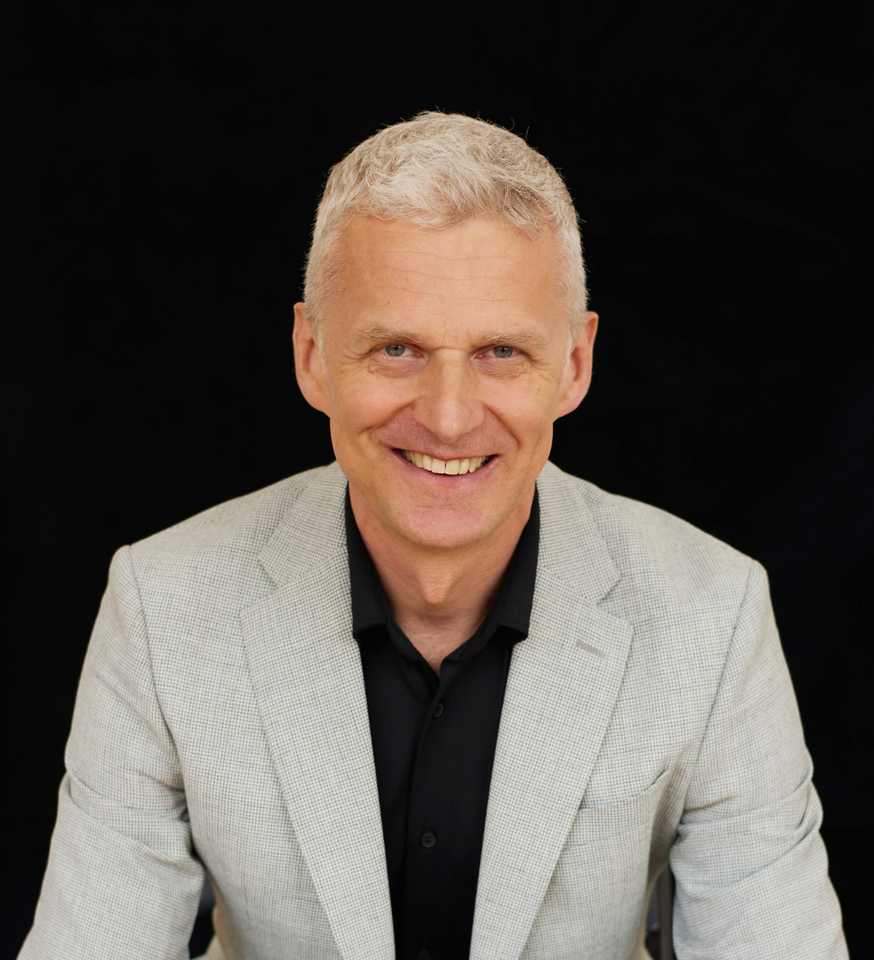
Dr Patryk Szulakowski
FRACP Logo Australian Sleep Association Logo Royal College of Physicians & Surgeons of Glasgow logo

Dr Patryk Szulakowski

MD, PhD, FRCP(Glasg), FRACP

Dr Patryk Szulakowski graduated from medical school in Poland. He moved to Scotland in 2002, where he carried out research in epigenetics and COPD (Chronic Obstructive Pulmonary Disease) at the University of Edinburgh.  He then continued his medical career by completing advanced training in Respiratory and General Medicine in Glasgow. During his specialist training, he became passionate about Sleep Medicine. He furthered his interest in this field by successfully completing the Sleep Medicine Course at the University of Edinburgh and the International Sleep Medicine Course in Cambridge (UK). Patryk undertook and passed the International Sleep Medicine Course (ISMC) Examination in London while he worked in the East and North Hertfordshire NHS Trust, England, where he established a Sleep Service. He emigrated to New Zealand in 2017. Patryk works as a General Medicine, Respiratory and Sleep Physician and as a Clinical Lead of the Sleep Service in the Bay of Plenty.

​Dr Patryk Szulakowski is a fellow of the Royal College of Physicians and Surgeons of Glasgow and the Royal Australasian College of Physicians. He is a member of Australasian Sleep Association (ASA) and ASA NZ Branch Executive member. As a locum he supported sleep services in Hawke’s Bay, Otago, Southland and Wellington. In 2023 and 2024, he completed a 3-month sabbatical in the field of sleep medicine in Sydney (Royal Prince Alfred Hospital and Woolcock Institute of Medical Research) and Sleep & Circadian Neuroscience Institute, Nuffield Department of Clinical Neurosciences, University of Oxford (UK).

Patryk lives with his wife and two daughters in Tauranga. In his spare time, he enjoys water sports, cycling, hiking, gardening and maintaining an active lifestyle. He is a member of a local gym where he attends shred workouts, swimming, yoga and boxing classes.

Get in Touch

Sleep Disorders FAQ

What are the signs that I might have a sleep disorder?

Common signs include loud snoring, choking or gasping during sleep, waking unrefreshed, excessive daytime sleepiness, trouble falling or staying asleep, restless legs, or poor concentration. If any of these symptoms persist, a sleep assessment is recommended.

Is snoring always a sign of sleep apnoea?

Not always. Occasional snoring can be harmless, but persistent, loud snoring, especially with pauses in breathing or daytime fatigue, may suggest obstructive sleep apnoea (OSA). A sleep study is the best way to find out.

Do you treat more than just snoring and sleep apnoea?

Absolutely. We diagnose and manage a wide spectrum of respiratory sleep disorders including sleep-related breathing disorders linked to asthma, COPD or obesity, as well as non-respiratory sleep disorders: insomnia, circadian rhythm disorders, parasomnias (e.g., sleep walking or night terrors), restless legs syndrome, narcolepsy and hypersomnia.

What are the long-term risks of untreated obstructive sleep apnoea (OSA)?

Untreated OSA can lead to serious long-term health issues. The repeated drops in oxygen levels and sleep fragmentation place stress on the body and increase the risk of:

  • High blood pressure and cardiovascular disease, including irregular heart rhythms (arrhythmias), heart attack, and stroke
  • Type 2 diabetes, due to impaired glucose regulation and insulin resistance
  • Mood and cognitive disorders, such as depression, anxiety, memory problems, and difficulty concentrating
  • Excessive daytime sleepiness, which significantly raises the risk of road traffic and workplace accidents
  • Reduced overall quality of life, including fatigue, poor sleep, and relationship strain

The good news is that early diagnosis and appropriate treatment can dramatically reduce these risks and improve both health and wellbeing.

Diagnostics & Sleep Testing FAQ

What is the difference between a home sleep test and an in-lab sleep study?

Home sleep tests are convenient and ideal for assessing conditions like OSA. In-lab sleep studies offer more detailed insights, including brain activity and sleep stages - useful for complex or non-respiratory sleep disorders.

Note: We currently offer home-based studies only. In-lab studies are not yet available but are expected later this year.

How do I prepare for a home sleep study?

We’ll give you simple instructions and demonstrate the setup. Most tests involve wearing a small device with sensors while you sleep in your own bed. It’s comfortable, non-invasive, and support is available if needed.

Treatment Options FAQ

What are the treatment options for obstructive sleep apnoea (OSA)?

The most common and effective treatment is CPAP therapy (Continuous Positive Airway Pressure), which delivers air pressure to keep the upper airway open during sleep. Other options include:

  • Mandibular advancement devices – oral appliances that reposition the jaw
  • Surgery – in selected cases, procedures on the nose, throat, or jaw may be considered
  • Lifestyle changes – like weight loss, reducing alcohol, and avoiding sleeping on your back

What if I’m nervous about starting CPAP?

That’s completely normal. We’ll help you choose a comfortable mask, monitor your progress remotely, and fine-tune your therapy settings to make the experience as smooth and effective as possible.

Can sleep problems be treated without medication?

Yes. We prioritise non-drug solutions such as CBT-I (Cognitive Behavioural Therapy for Insomnia), light therapy, technology-supported interventions, and practical behavioural strategies. Medication is only used when necessary and for short-term support.

Can lifestyle changes help improve sleep, or do I still need to see a specialist?

Lifestyle changes are helpful but not usually enough on their own when a sleep disorder is present. At SLEEPMEDIK, we guide you on healthy sleep habits while also identifying and treating any underlying conditions that require expert management.

I travel frequently. Will CPAP or other therapies still work for me?

Yes. Modern CPAP machines are portable and travel-ready. We offer remote monitoring, travel tips, and help with therapy adjustments across time zones or shift work.

Still have questions?

Feel free to contact our team or schedule a consultation - we’re here to help you sleep better.